



Here to Serve
Fast. Responsive. Tenacious. Honest. Focused.
That’s what our customers say about us. Our mission is to help people, customers, and our community. We help to build and grow exceptional organizations through the most valuable asset: human capital.
Our guiding principles demand integrity, respect, excellence and teamwork. Our philosophy is simple: Deliver value to every person.

We’re Competitive And Community Oriented














Robbie and Julie are rock stars! They are professional, kind, knowledgeable and patient. I appreciate their hard work, and efforts in assisting me with my career endeavors. Many thanks guys. Patti U Anderson2022-06-08My experience with HumCap was more than wonderful! Allison was super friendly and helpful. I was able to secure the position I was looking for thanks the them!Jessica Conley2022-04-30Julie Johnson was a stellar person to work with! She always found solid roles and interesting places to work. Julie is always friendly and upbeat, never a downer but perpetually optimistic and bright. It's a pleasure knowing her and if I am needing a new role, HumCap will be a top choice!Nicholas Preston2022-04-29I recently had the pleasure of working with Carly with Human Cap during the interview process (I was the job seeker). Carly kept me informed throughout the process and really made me feel valued as a person and a potential candidate. She’s a real asset to your company. Keep up the great work Carly!Jennifer Miller2022-04-20Carley and Charlie were SO helpful. Carley was so prompt and kind - they both were insightful and had such great suggestions. I'd absolutely recommend speaking with them during your job search. Thank you HumCap!!!Caitlyn2022-04-20Carley, Is highly professional and a very talented go getter, who leaves no stones unturned, in persuade of attaining her objectivesgerald ray2022-03-30I'm currently working with HumCap, specifically with Lexi and Julie on job searching. So far they have all been awesome! They are always professional and on top of their things. I started job searching recently and I've already gone through a couple of major interviews with their client companies! All in all, great service and an excellent team. Thank you!Ryan K2022-03-24I have been working with Carley Stromgren from HumCap LP in finding a position with a local company. Carley was both very professional and productive at obtaining that position for me. I highly recommend her if you are a professional looking at the current job field. Steven VanHoozerSteven VanHoozer2022-03-24I had such a great experience with this company. They were very professional and persistent with helping me find my ideal job. I recommend this company to anyone needing extra help searching for a job. Thank you!Jansie Hambrick2022-03-07When I was job searching, I swear I sent over 20 or more electronic applications a day with no response. A friend who had worked with Julie/Humecap recommend I try them out and I must say it was a very eye opening experience. They suggested I re-do my entire resume and the difference was night and day, I was getting calls back finally. The job I ultimately took was one they suggested that I apply to. I had never even thought about working in the software development world before and am so thankful to Humecap for helping me get to where I am now. Sometimes you just need an outside perspective to be able to advocate for your skills and abilities and to point you in the right direction to go.Tam Nguyen2022-02-15


Our Latest And Greatest
Don’t just take our word for it. Hear it straight from our community why HumCap is #1
“I’ve known Tad for over 20 years. (HumCap) was who I called to support me with my latest company, Crunch Fitness. I needed help with job designs, compensation, recruiting, legal advice, basically everything I had within my HR department of my former company Planet Tan. (HumCap HR) is super and always my go to on everything, and they get back quick. Important. The advice HumCap has given me has helped me avoid some big missteps and allowed me to look after my most important piece of my business equation: people. I went from 0-420 employees in 3 1/2 years.”
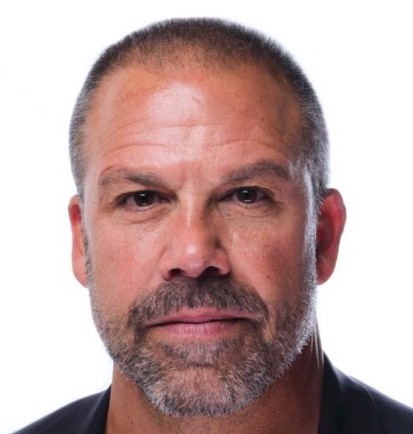 Tony Hartl, Partner, Crunch Fitness